Retro Signed Font: Nostalgic Charm for Handmade Labels & Printables
As a maker who’s spent years designing candle labels, wedding welcome signs, and printable planner pages, I know how much weight the right font carries—not just in aesthetics, but in how customers *feel* about your product before they even touch it. That’s why Retro Signed has become one of my go-to decorative fonts for physical and digital craft projects. It’s not just “vintage-looking.” It’s thoughtfully crafted—bold enough to command attention on a rustic wooden sign, playful enough to charm on a birthday sticker, and ornamental without sacrificing clarity.
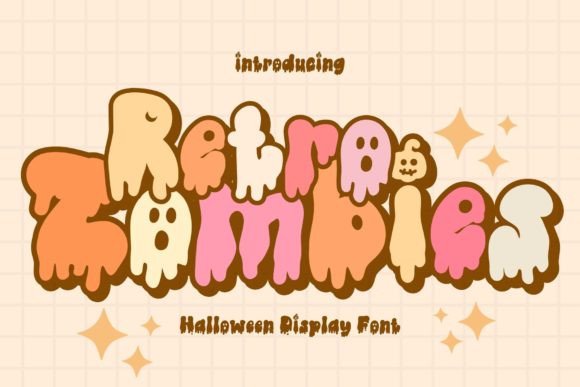
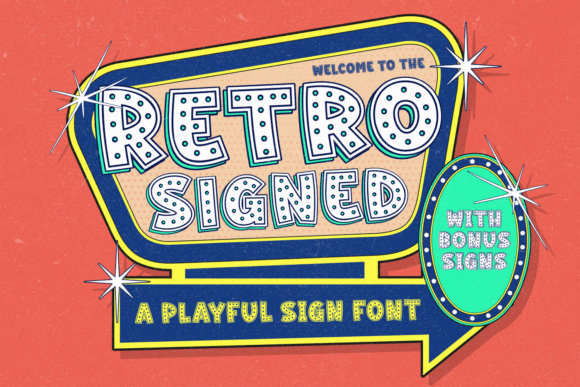
Retro Signed is a display font built for impact. Its letterforms are confident and slightly exaggerated—think rounded terminals, subtle flares on ascenders, and gentle curves that echo mid-century signage and hand-painted diner menus. The ornamental details aren’t fussy; they’re intentional. A delicate underline flourish beneath capital letters, soft shadow hints in some alternates, and consistent stroke contrast make it feel handmade—even when used digitally. It’s the kind of typeface that whispers “carefully made” before your customer reads a single word.
For Etsy sellers and small-batch creators, Retro Signed shines where visibility and emotional resonance matter most: product labels, packaging, and point-of-sale items. I use it regularly for soy candle jar labels—paired with a clean sans serif for ingredients—to give artisanal credibility while keeping shelf appeal high. On kraft paper tags for boutique bath products, its boldness holds up beautifully at 14–16 pt, even when printed on uncoated stock. And yes—it cuts cleanly on Cricut and Silhouette machines. I’ve run it through my Explore Air 3 at 20 pt for vinyl stickers with zero jagged edges or lost detail, thanks to its well-hinted outlines and generous spacing.
It’s equally effective in seasonal and celebratory contexts. For holiday mugs or ceramic coasters, Retro Signed adds warmth without looking dated—try “Merry & Bright” in all caps across a matte white mug, and watch how the rounded ‘R’ and friendly ‘B’ invite smiles. Wedding stationery is another sweet spot: welcome boards, menu cards, and foil-stamped escort tags gain instant personality with this font. Because it’s designed as a decorative typeface—not a script or handwritten font—it avoids the legibility pitfalls of overly fluid scripts at small sizes. You can confidently use it for names and table numbers down to 18 pt on printed cardstock.
Where Retro Signed truly earns its place in my design toolkit is versatility within constraint. It’s not meant for body text—and that’s a strength. Use it for headlines, titles, short phrases, and signature lines only. That focus keeps your branding sharp and intentional. I pair it with a neutral sans serif like Montserrat or Inter for ingredient lists, care instructions, or website banners. For invitations or wall art, I’ll layer it over a warm serif like Playfair Display—letting Retro Signed carry the voice while the serif grounds the layout. No clashing, no visual noise—just clear hierarchy and thoughtful contrast.
If you work with SVG files or layered templates, check whether your version includes OpenType features like stylistic alternates or ligatures. In my copy, the lowercase ‘a’ and ‘g’ have both single- and double-storey options, which lets me fine-tune tone: playful for kids’ party printables, refined for vintage-inspired boutique packaging. While the core set covers English thoroughly, confirm multilingual support if you sell internationally—some retro fonts skimp on diacritics, but Retro Signed includes extended Latin characters, making it safer for French, Spanish, and German product tags.
Readability in mockups matters just as much as in final production. When previewing digital downloads—like printable wall art or planner stickers—I always test Retro Signed at 100% zoom and on mobile. Its generous x-height and open counters mean it stays legible even in thumbnail views. That’s critical when buyers scroll Etsy listings on their phones: if your “Farmhouse Kitchen” printable looks crisp and inviting at a glance, they’ll click. If it blurs into a blob of retro noise? They’ll keep scrolling.
Licensing is non-negotiable—and often overlooked. Retro Signed comes with a commercial license that explicitly covers physical goods (mugs, tote bags, greeting cards), digital downloads (PDF planners, Canva templates), SVG cut files for crafters, and client work like shop signage or brand kits. That means you can embed it in a printable bundle sold on Gumroad, use it to design a Shopify product label, or include it in a Procreate brush pack—no extra fees or attribution required. Just keep your license file handy; it’s peace of mind you won’t find with free fonts.
In practice, Retro Signed helps me say more with less. A single line—“Hand-Poured Since 2020”—in this font on a linen tea towel tells a story about heritage, care, and authenticity. A “Thank You” tag on a handmade soap box feels personal, not generic. Even in minimalist packaging, its presence signals intentionality. That’s the quiet power of a well-chosen decorative font: it doesn’t shout. It resonates.
Whether you’re printing 50 wedding napkin wraps or launching your first digital sticker pack, Retro Signed gives your work texture, warmth, and quiet confidence. It’s not just another retro font—it’s a reliable tool for makers who value both beauty and build quality. And in a market crowded with fleeting trends, that kind of timeless utility is rare.